

Sustainability interventions in nursing wards
Nursing practice
Using the same infusion sets on every ward
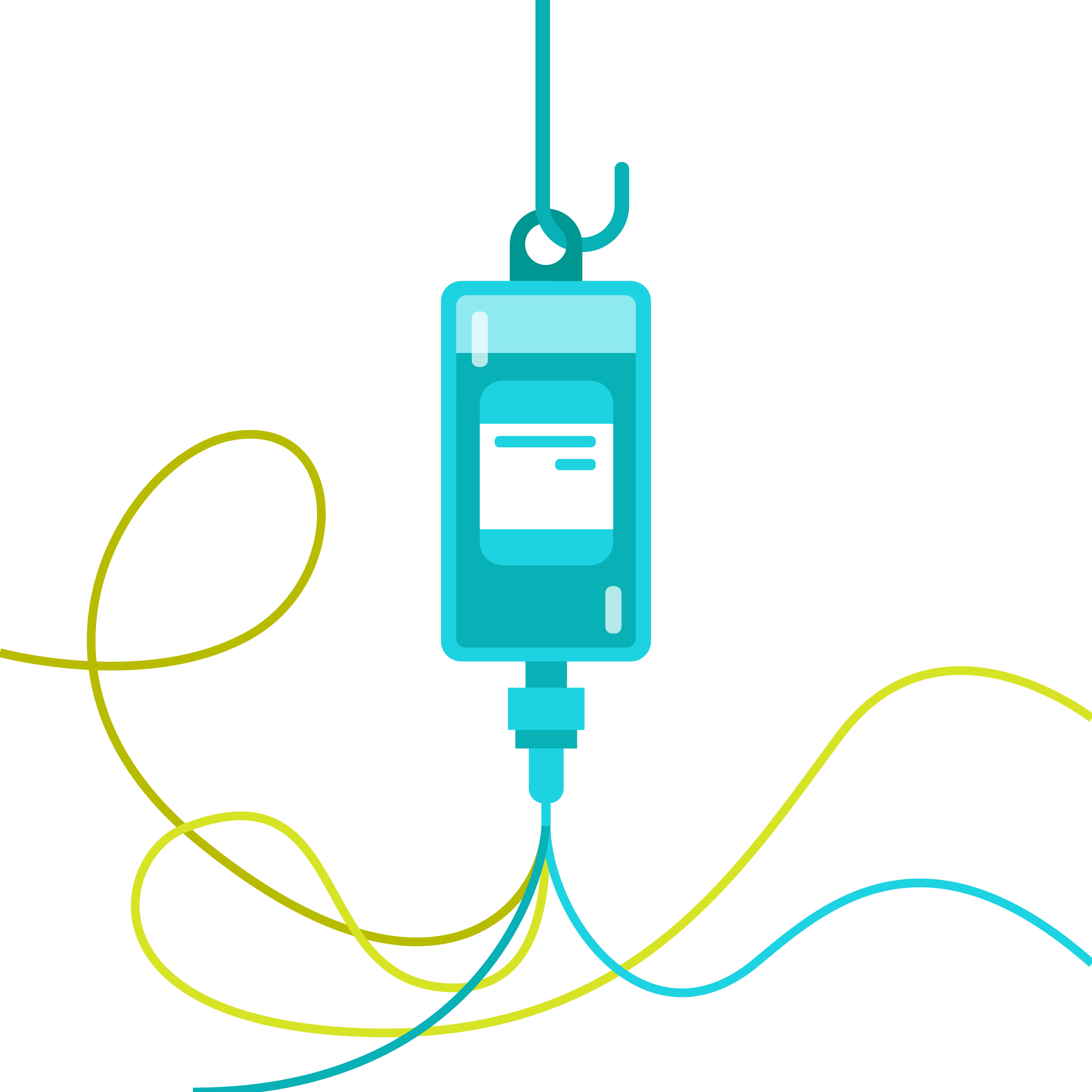
When hospital departments use different IV systems, IV lines may need to be replaced when a patient is transferred because the systems are not compatible. This leads to unnecessary waste, takes additional time, and can cause discomfort for the patient. A single, standardised IV system prevents this.
Intervention
Use the same infusion system in all departments so that when the patient is transferred, the infusion system is not replaced.
Implementation approach
- Look at the approach for implementing a different method in nursing practice.
- To gain insight into the current situation when developing the implementation plan, it can be helpful to determine how often IV lines are replaced. This can be done using internal patient transfer data between nursing units that use different IV systems. The Integrated Capacity Management department can assist with this. Keep in mind that not every patient has an IV line at the time of transfer.
- Consult the step-by-step guide for more information on setting goals, implementation, and evaluation.

Environmental impact
Measured in CO2-emissions by reducing the number of infusion lines. Want to know more about the environmental impact? See the bottom of this page for more information.
Current situation
Different types of infusion systems in the healthcare organization
New situation
The same infusion system in the healthcare organization
Impact of an infusion system
1 infusion system = 0.4 kg CO2-eq

By using the same infusion system, you prevent the need to change an infusion system when transferring a patient between departments.
Save 100% fewer infusion systems that need to be replaced
40
kg CO2-eq
and is equivalent to driving 205 km
When is it implemented?
This intervention is considered implemented when IV line exchanges are prevented by using the same IV lines on the nursing units in the hospital, and the difference in CO₂-equivalent (kg) has been calculated.
How is this measured?
The environmental impact of this intervention can be determined using purchasing data for the number of IV lines, see the procedure for measuring an intervention using purchasing data.
Note: Other interventions may influence the results of this intervention. If the "Replacing IV lines every seven days" intervention is implemented at the same time, it may affect the purchasing data for IV lines. Implement the "IV line replaced every seven days" intervention at a different time to measure the effect accurately.
Resources
Click here for an example where Radboudumc aligned their IV systems between the operating room and nursing units, resulting in 10,000 fewer IV systems being disposed of.
View our other interventions
General resources
Paper medication cup
Medication is often administered several times a day in plastic cups, which generates a large amount of waste. Paper medication cups suitable for liquids (containing less than 5% plastic) offer a more sustainable alternative. In some cases, however, a plastic cup remains necessary, for example when crushing medication.
Nursing practice
Containers made from recycled plastic for specific hospital waste
Nursing wards produce a lot of waste, including specific hospital waste (SZA). Nurses collect this waste in separate SZA tanks, also known as Wiva barrels, recognisable by the blue barrel with a yellow lid. A more sustainable alternative made from recycled plastic, recognisable by its grey colour, has been developed.

