


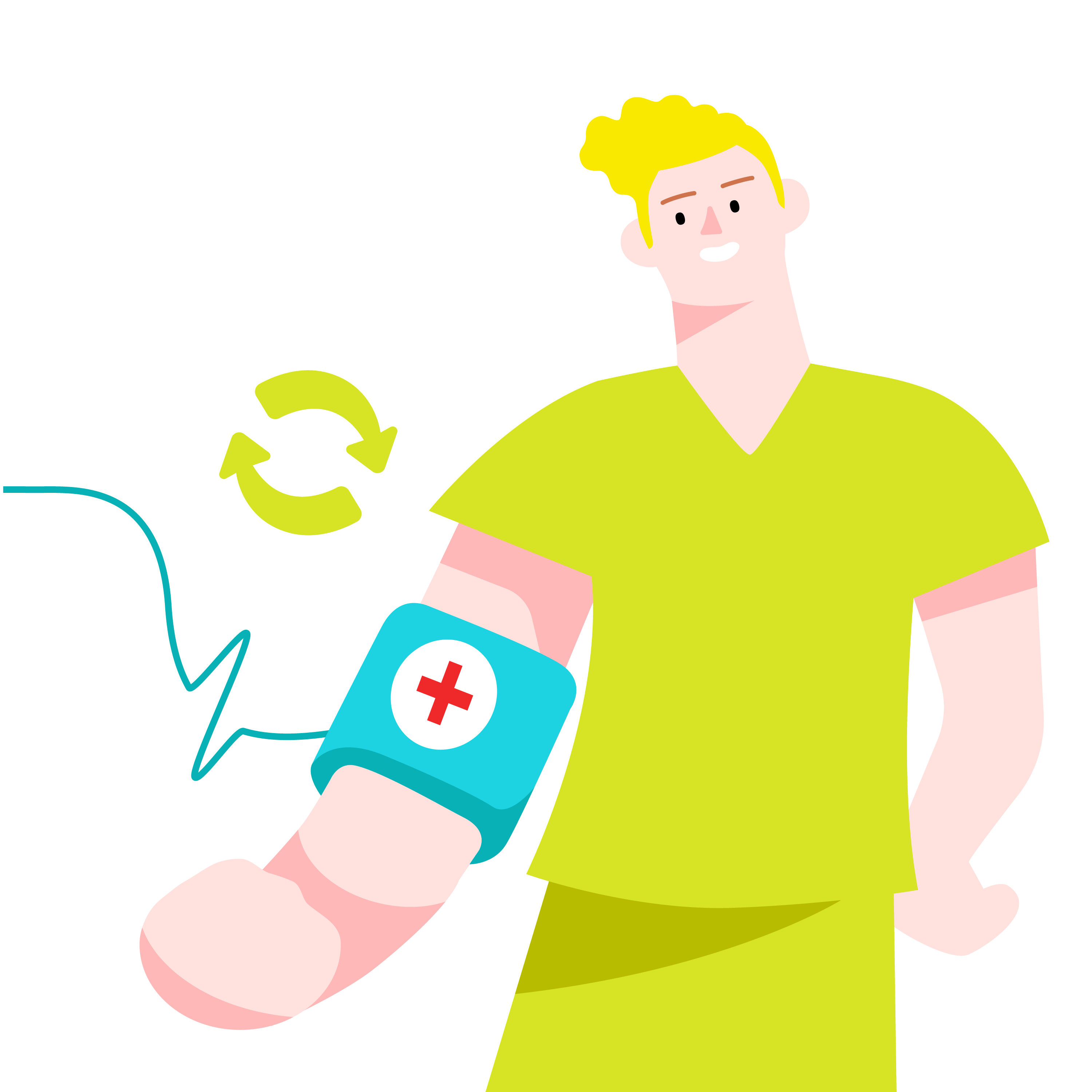
Sustainability interventions in nursing wards
Monitoring parameters
Reusable blood pressure cuff
Measuring a patient’s blood pressure is an essential part of patient care. Nurses can do this using either disposable or reusable blood pressure cuffs.
Intervention
Replace disposable blood pressure belts with reusable blood pressure belts.
Implementation approach
Look at the approach for implementing a (reusable) product and consult the step-by-step guide for more information on setting goals, implementation, and evaluation.

Environmental impact
Measured in CO2 -emissions by reducing the number of disposable blood pressure belts and reusing blood pressure belts. Want to know more about the environmental impact? See the bottom of this page for more information.
Current situation
Measure blood pressure once with a disposable blood pressure band= 0.87 kg CO2-eq
New situation
Measure blood pressure once with a reusable blood pressure belt and clean = 0.02 kg CO2-eq
-97,7% CO2

The environmental impact of the disposable blood pressure belt is approximately 40 times higher than that of the reusable belt.
After a year, measuring three times a day with a reusable tire instead of disposable ones saves you money
932
kg CO2-eq
and is equivalent to driving 4,779 km
When is it implemented?
This intervention is considered implemented when the nursing units in the hospital have switched to reusable blood pressure cuffs and the difference in CO₂-equivalent (kg) has been calculated.
How is this measured?
The environmental impact of this intervention can be determined using purchasing data for the number of disposable blood pressure cuffs, see the procedure for measuring an intervention using purchasing data.
Resources
Click here for an example where Radboud UMC switched to reusable blood pressure cuffs, and click here for the infographic. This resulted in an annual reduction of 2812 kg of plastic waste.
View our other interventions
Nursing practice
Wound care irrigation with tapwater
For acute wounds (traumatic or surgical), irrigation using a female catheter filled with lukewarm tap water is recommended instead of NaCl 0.9%. This increases patient comfort and reduces material use, as a new sterile NaCl 0.9% bottle or sterile collection tray is no longer needed every 24 hours.

